
Case Study: Successful Dispute Resolution in Cambodia
Introduction to Dispute Resolution in Cambodia
Dispute resolution is a critical aspect of maintaining harmony and ensuring justice within any society. In Cambodia, a country with a rich cultural heritage and a rapidly developing economy, effective dispute resolution mechanisms are essential. This case study explores a successful instance of dispute resolution in Cambodia, highlighting the key factors that contributed to its success.

Understanding the Context
Cambodia's legal system is a blend of traditional and modern practices. The country has made significant strides in reforming its legal framework to better accommodate the needs of its citizens. However, challenges remain, especially in rural areas where traditional dispute resolution methods are still prevalent. Understanding this duality is crucial for anyone involved in resolving disputes in Cambodia.
The case in focus involves a land dispute in a rural Cambodian village. Land ownership issues are common in Cambodia due to historical conflicts and unclear property rights. This particular dispute involved multiple families claiming ownership of the same piece of land.
The Role of Mediation
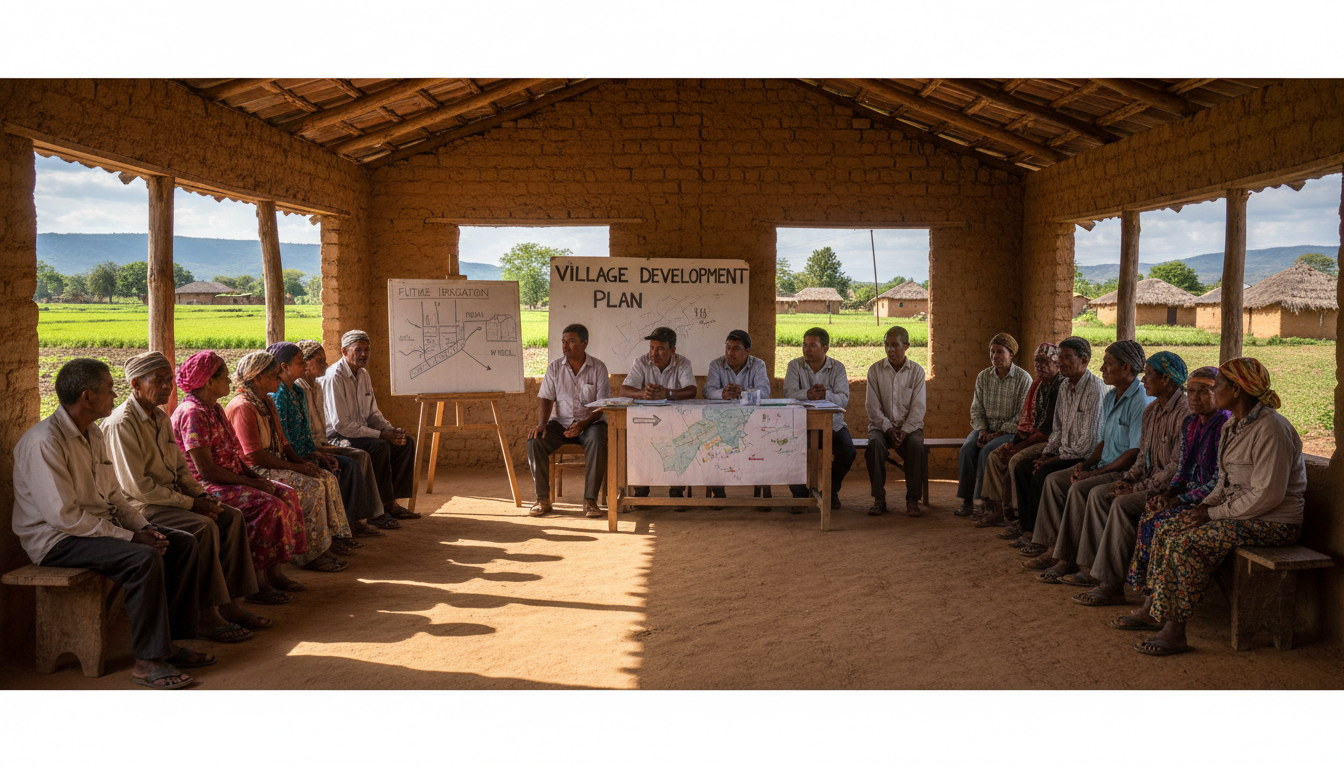
Mediation played a pivotal role in resolving this dispute. A skilled mediator, familiar with both the local customs and the formal legal system, was brought in to facilitate discussions between the parties involved. The mediator's ability to communicate effectively and build trust was instrumental in achieving a resolution.

Key Strategies for Success
Several strategies contributed to the successful resolution of this dispute:
- Community Involvement: Engaging community leaders helped ensure the process was transparent and fair.
- Transparent Communication: Open communication channels allowed all parties to express their concerns and desires.
- Respect for Traditions: Respecting local customs and traditions helped in gaining the trust of the involved parties.
Outcomes and Benefits
The resolution of the land dispute brought numerous benefits to the community. Firstly, it restored peace and reduced tensions among the families involved. Secondly, it set a precedent for resolving similar disputes in the future, promoting a culture of dialogue and understanding. Lastly, it highlighted the importance of integrating traditional methods with modern legal practices.
Lessons Learned
This case study provides valuable insights into effective dispute resolution in Cambodia. The success of the mediation process underscores the importance of involving local stakeholders and respecting cultural nuances. It also demonstrates the potential of mediation to resolve complex issues in a manner that is both efficient and amicable.
Conclusion
As Cambodia continues to develop, the need for effective dispute resolution mechanisms will only grow. This case study serves as a testament to the power of mediation and community involvement in resolving disputes. By learning from this example, other communities can enhance their own approaches to dispute resolution, fostering a more harmonious society.